Podscape v3.2: Mastering Kubernetes Governance with RBAC Forms and Resource Visibility

Quick answer
Podscape v3.2 is here, bringing massive improvements to cluster governance. Explore the new RBAC creation forms, ResourceQuota support, and the powerful multi-field search index.
- 1. RBAC Management: From YAML to Forms 🛡️
- 2. Resource Visibility: Quotas & LimitRanges 📊
- 3. Discoverability: The Multi-Field Search Index 🔍
- 4. Krew Integration & Product Polish 🛠️
- Conclusion: The Road to v4.0
9 min read · Kubernetes
As Kubernetes clusters grow in complexity, the challenge shifts from "how do I run this?" to "how do I manage this securely at scale?". Governance, once a background task, has become front and center for platform engineers.
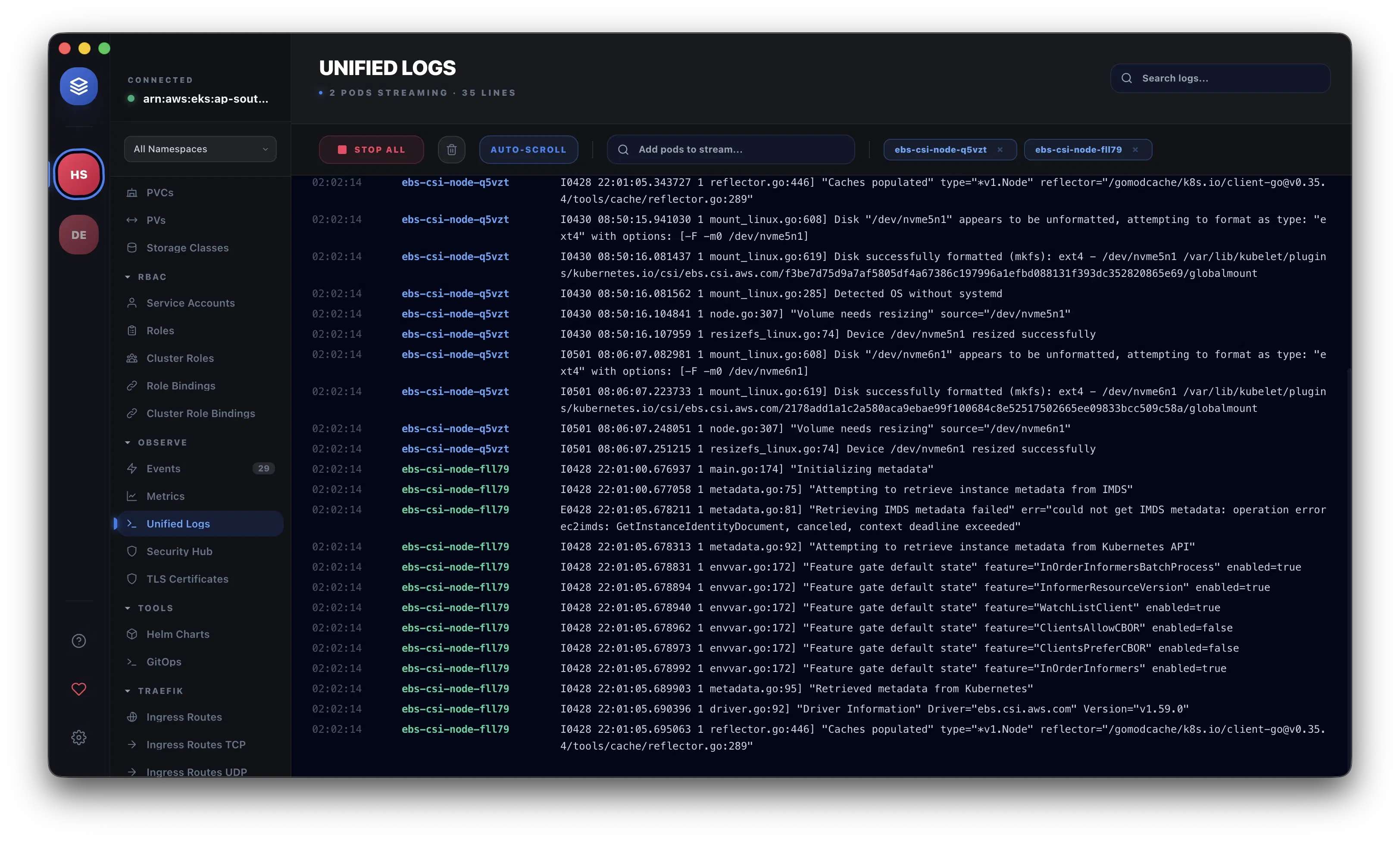
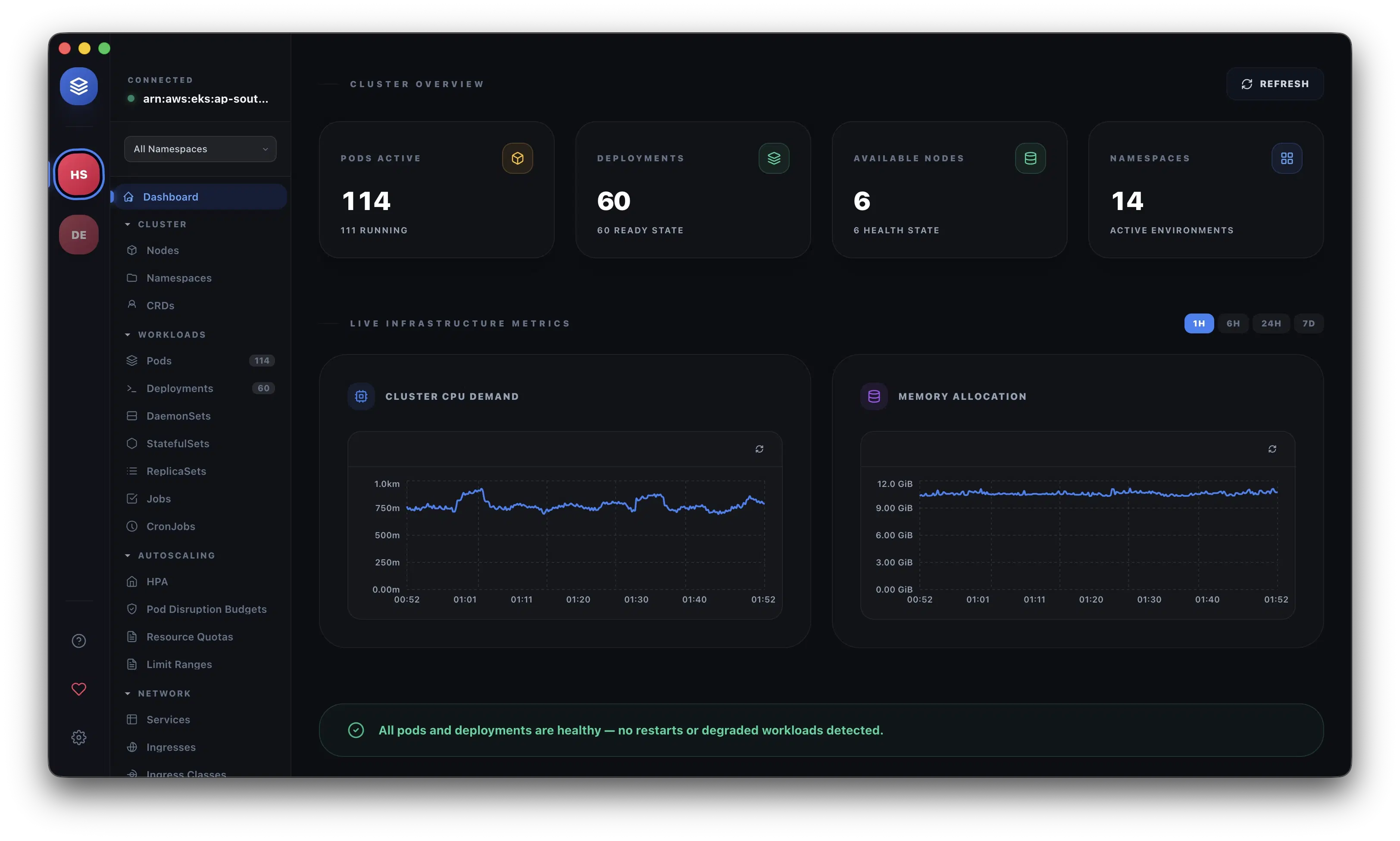
With the release of Podscape v3.2, we are moving beyond simple visualization and into the realm of Intelligent Governance. This update introduces native tools for managing permissions, resource limits, and complex discovery—all without leaving the IDE.
1. RBAC Management: From YAML to Forms 🛡️
Role-Based Access Control (RBAC) is notoriously difficult to get right. A single typo in a ClusterRoleBinding can either break a service or, worse, leave your cluster wide open.
In v3.2, we've introduced Native RBAC Creation Forms. You can now:
- Design Roles Visually: Select API groups, resources, and verbs (get, list, watch, etc.) from a streamlined interface.
- Simplified Bindings: Link ServiceAccounts or Users to Roles with automated name-spacing and validation.
- Instant Preview: See the generated YAML side-by-side as you build the form, ensuring you still have the control you need.
2. Resource Visibility: Quotas & LimitRanges 📊
Managing multi-tenant clusters requires a clear view of who is using what. Previously, checking if a namespace was nearing its ResourceQuota required multiple kubectl describe commands.
Podscape v3.2 brings First-Class ResourceQuota Support:
- Live Usage Gauges: Visualize CPU, Memory, and Storage usage against your quotas in real-time.
- LimitRange Enforcement: See which namespaces have mandatory limits applied and identify pods that are non-compliant.
- Pressure Alerts: High-contrast indicators appear when a namespace hits 90% of its allocated resources, allowing you to proactively scale before the OOMKiller strikes.
3. Discoverability: The Multi-Field Search Index 🔍
In a cluster with thousands of resources, finding that one specific secret or service can feel like looking for a needle in a haystack.
We've overhauled the search engine with a new Multi-Field Search Index. You can now search across:
- Labels and Annotations
- IP Addresses (Pod/Service IPs)
- Container Images and Tags
- Status Messages (e.g., search for "OOMKilled" to find all failing pods instantly)
Powered by our Go-based sidecar architecture, this index is updated in real-time with sub-millisecond query latency.
4. Krew Integration & Product Polish 🛠️
Rounding out the v3.2 release are several quality-of-life improvements:
- Native Krew Support: Discover and install
kubectlplugins directly from the Podscape settings menu. - HPA v2 API: Full support for the latest Horizontal Pod Autoscaler metrics.
- Optimized Performance: We've further reduced the application footprint and improved the IPC communication between the Electron frontend and the Go engine.
Conclusion: The Road to v4.0
Podscape is evolving from a visual IDE into a comprehensive governance and management platform. By bringing RBAC, Quotas, and Advanced Search into a unified interface, we are reducing the cognitive load on engineers and making Kubernetes safer for everyone.
Download the latest version and join us on our journey to v4.0.
Get Started with v3.2 Today
Frequently Asked Questions
What's new in Podscape v3.2?
Governance is the theme: RBAC management through forms instead of hand-written YAML, first-class visibility into ResourceQuotas and LimitRanges, a multi-field search index that makes large clusters navigable, and krew integration alongside general product polish.
Do RBAC forms replace writing RBAC YAML?
They generate the same Roles and RoleBindings you'd write by hand — the form is an authoring layer, not a proprietary abstraction, so everything remains plain Kubernetes RBAC underneath that you can audit and version like any other manifest. For the underlying verb semantics, see the Kubernetes RBAC verbs reference.
Why do quota and LimitRange visibility matter for governance?
Because quota incidents look like scheduling mysteries: pods pending with no obvious cause until someone inspects the namespace's quota. Surfacing quotas and limit ranges next to the workloads they constrain turns a kubectl archaeology session into a glance.
Official References
- RBAC authorization — Role, ClusterRole and binding semantics
- Configure service accounts — token projection and the default service account
Was this article helpful?
Be the first to rate this article
Related Topics
Found this useful? Share it.