DevOps for Startups: Building Scalable Infrastructure from Day One

Quick answer
Don't let technical debt sink your startup. Learn the essential DevOps practices that provide a solid foundation for growth without breaking the bank.
- 1. Choose Managed Services Over Self-Hosting
- 2. Infrastructure as Code (IaC) is Non-Negotiable
- 3. Automation-First CI/CD
- 4. Observability: Don't Fly Blind
- 5. Security as a Foundation, Not an Afterthought
7 min read · Leadership & Strategy
In the early days of a startup, "DevOps" often feels like a luxury you can't afford. You have a product to build, customers to find, and a burn rate to manage. Why spend time on Kubernetes or Terraform when you could be shipping features?
The reality is that good DevOps is a force multiplier. It's not about complex tools; it's about a culture of automation and reliability that prevents your infrastructure from becoming a bottleneck as you scale.
Here is the "Minimum Viable DevOps" (MVD) framework for startups.
1. Choose Managed Services Over Self-Hosting
Your most valuable resource is engineering time. Don't spend it managing a database or a message broker.
- Instead of self-hosting Postgres on EC2: Use Amazon RDS or Supabase.
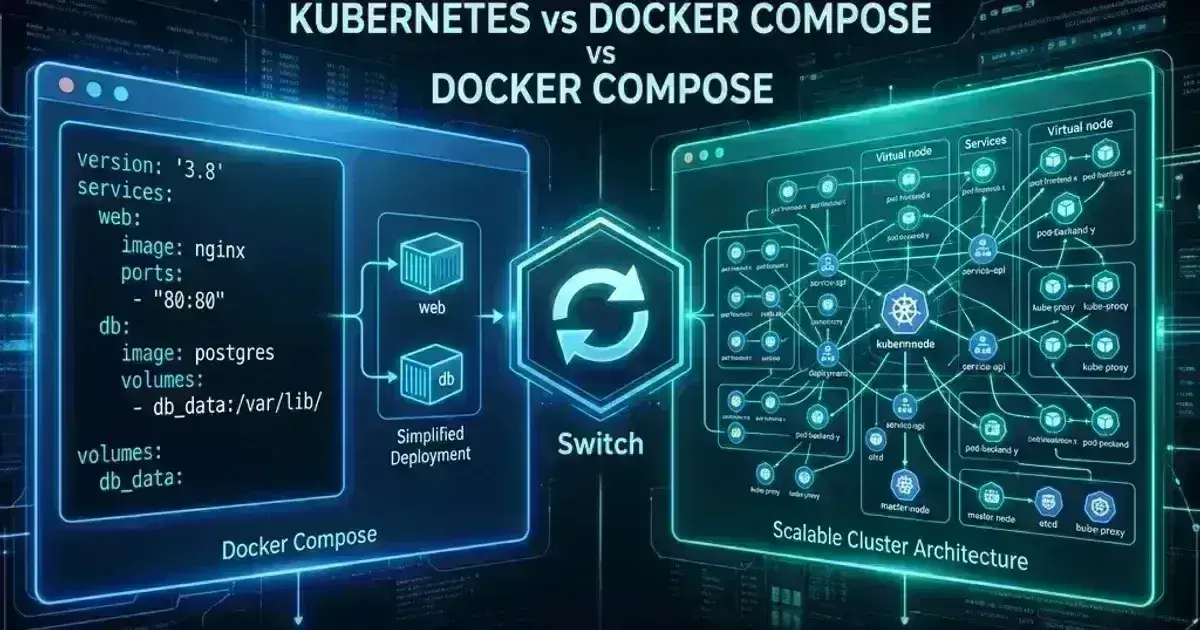
- Instead of managing a Kubernetes cluster from scratch: Use EKS, GKE, or even simpler platforms like Railway or Vercel for the first few months.
Managed services might have a higher monthly cost on the bill, but the "Total Cost of Ownership" (TCO) is lower because your engineers remain focused on the product.
2. Infrastructure as Code (IaC) is Non-Negotiable
Even if your infrastructure is just one app and one database, define it in code. Whether it's Terraform, Pulumi (see our Terraform vs Pulumi comparison if you're deciding between them), or AWS CDK, IaC ensures:
- Reproducibility: You can spin up a staging environment that matches production in minutes.
- Disaster Recovery: If your AWS account is compromised or you make a fatal mistake in the console, you can recover quickly.
3. Automation-First CI/CD
If you are manually dragging and dropping files into an S3 bucket or running git pull on a server, you are doing it wrong.
Automate your deployment pipeline from day one. Use GitHub Actions or GitLab CI. A simple pipeline should:
- Run tests.
- Build the container/artifact.
- Deploy to a preview environment.
4. Observability: Don't Fly Blind
You don't need a $2,000/month Datadog subscription on day one. But you do need:
- Centralized Logs: (e.g., CloudWatch, BetterStack).
- Error Tracking: (e.g., Sentry, GlitchTip).
- Basic Metrics: CPU, Memory, and Request Latency.
Knowing why your app is down is the difference between a 5-minute fix and a 5-hour outage.
5. Security as a Foundation, Not an Afterthought
Startups are prime targets because they often have weak security.
- Least Privilege: Don't give every developer
AdministratorAccess. - Secret Management: Never commit API keys to Git. Use Secret Managers (AWS Secrets Manager, HashiCorp Vault).
| Phase | Focus | Tools |
|---|---|---|
| Pre-Seed | Speed & Validation | Vercel, Railway, Supabase |
| Seed | Reproducibility | Terraform, GitHub Actions, AWS RDS |
| Series A | Scalability & Resilience | EKS/GKE, Argo CD, Prom/Grafana |
The Takeaway
DevOps for startups isn't about over-engineering. It's about making choices that allow you to move fast today and even faster tomorrow. By automating the boring stuff early, you free your team to build the features that will make your startup a success.
Building the next big thing? Contact Coding Protocols to help you build a scalable foundation that grows with your vision.
Frequently Asked Questions
How much DevOps does an early-stage startup actually need?
Less than vendors tell you, more than zero. The day-one non-negotiables are managed services over self-hosting, infrastructure as code, an automated deploy pipeline, and basic observability. Everything else — service meshes, internal platforms, multi-region — earns its place later or not at all.
Should a startup use Kubernetes?
Usually not at first. A managed PaaS or a simple container service gets you to product-market fit with a fraction of the operational load. Revisit Kubernetes when you hit concrete triggers: many services, real scaling needs, or workloads that don't fit the simpler platforms — and then go managed (EKS/GKE/AKS), never self-hosted.
What should we automate first?
Deployments, before anything else — manual releases are the biggest source of both risk and drag. Then alerts on the golden signals so you know when production breaks, then the security baseline (SSO, least-privilege IAM, dependency scanning). Automating in that order buys back the most founder-hours per week.
Official References
- AWS Savings Plans — plan types, commitment terms and how discounts apply
- EC2 Spot Instances — interruption behaviour and capacity rebalancing
Was this article helpful?
Be the first to rate this article
Related Topics
Found this useful? Share it.