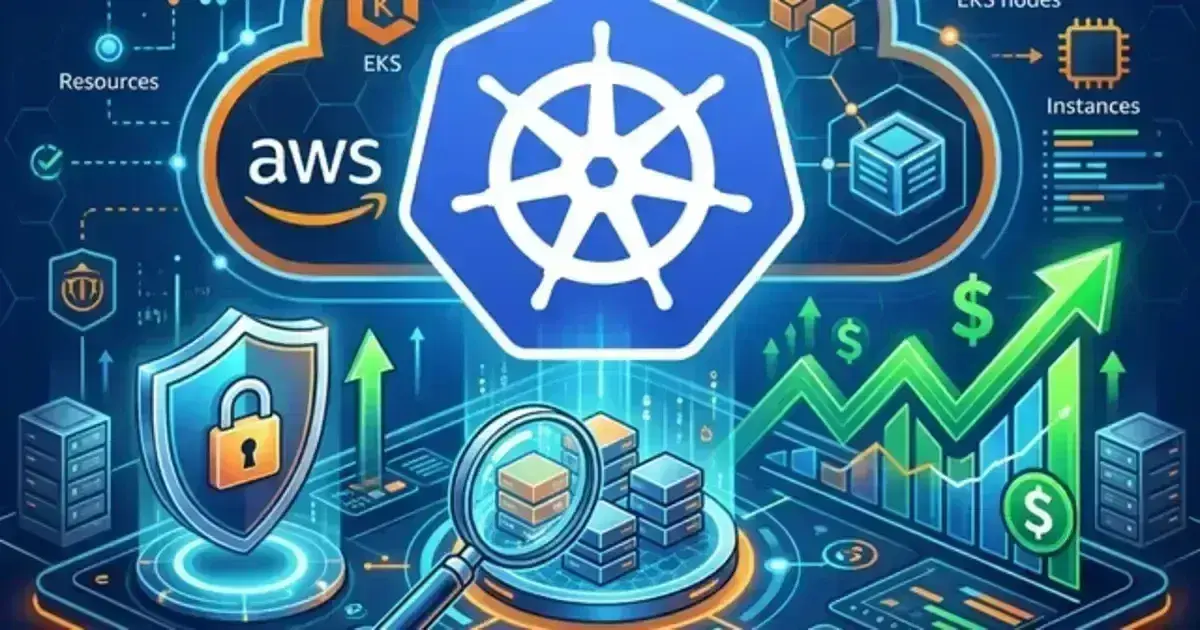
The Cloud Savings Lifecycle: Kubecost vs. Vantage vs. Infracost
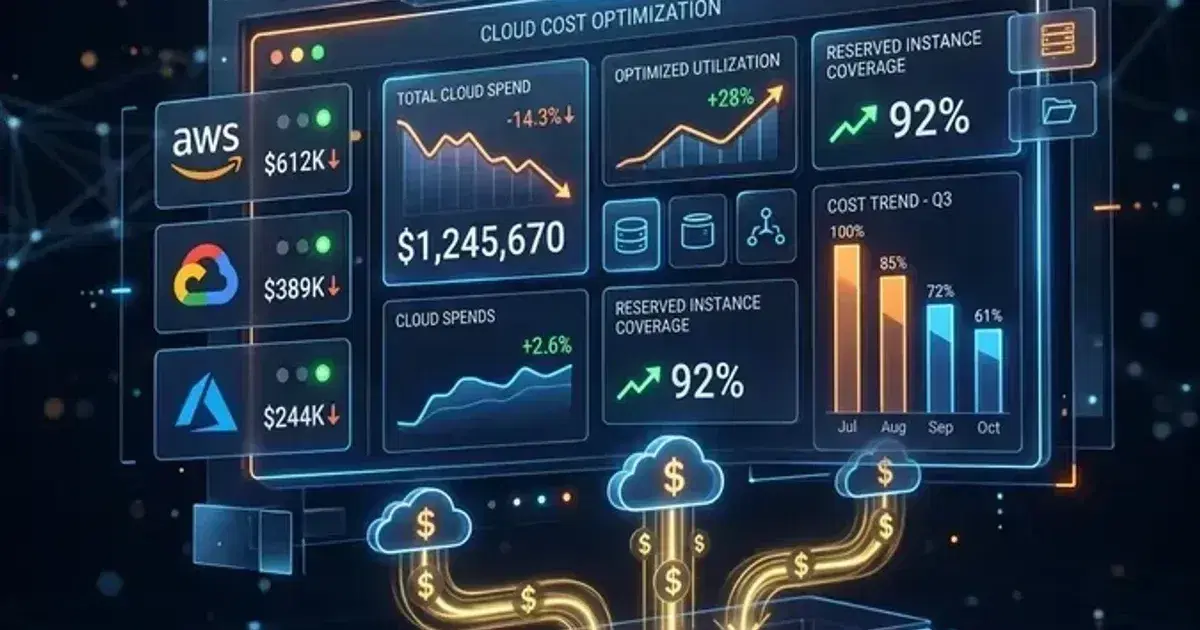
Quick answer
A technical guide to choosing the right FinOps stack for your modern infrastructure: Pre-deployment vs. Runtime vs. Centralized Visibility.
- 1. Infracost: Stop the Leak Before it Starts
- 2. Kubecost: The Kubernetes Surgeon
- 3. Vantage: The Executive Single Pane of Glass
- Summary: The Ideal FinOps Stack
12 min read · Cloud Engineering
In 2026, the question for engineering teams is no longer "How much is our cloud bill?" but rather "Why is our cloud bill this high, and who is responsible?"
As infrastructure scales, cloud costs often grow faster than revenue. This has given rise to the FinOps movement—a cultural shift that brings financial accountability to the variable spend model of cloud computing.
However, no single tool covers the entire FinOps lifecycle. To build a robust "Scale & Savings" strategy, you need to understand where Kubecost, Vantage, and Infracost fit into your stack.
1. Infracost: Stop the Leak Before it Starts
The most effective way to save money is to never spend it in the first place. This is the "Shift-Left" philosophy applied to cloud finance.
Infracost sits in your CI/CD pipeline (GitHub Actions, GitLab CI, etc.). When a developer opens a Pull Request that adds a new RDS instance or scales up a NAT Gateway, Infracost automatically comments on the PR with a monthly cost estimate.
Why you need it:
- Preventive Governance: Catch massive cost spikes before they hit production.
- Developer Awareness: Teaches engineers the financial impact of their architecture choices.
- No Runtime Risk: It doesn't need access to your live production environment to provide value.
2. Kubecost: The Kubernetes Surgeon
If your organization runs heavily on Kubernetes (EKS, GKE, AKS), your cloud bill is likely a "black box." AWS tells you that your EKS clusters cost $10,000/month, but it cannot tell you which of your 50 microservices is hogging the resources.
Kubecost solves this by running inside your cluster. It maps real-time resource usage (CPU, RAM, Storage) to Kubernetes constructs like Namespaces, Labels, and Pods.
Why you need it:
- Accurate Chargebacks: Bill-back costs to specific departments or product teams.
- Orphaned Resource Detection: Find "Ghost" pods or unattached volumes that are costing money but doing nothing.
- Right-sizing Recommendations: Get automated suggestions on where you are over-provisioning.
3. Vantage: The Executive Single Pane of Glass
While Kubecost is deep, Vantage is wide. Most modern enterprises aren't just using AWS; they have GCP, Azure, Datadog, Snowflake, and OpenAI—all with their own separate billing consoles.
Vantage connects to all these providers via API and normalizes the data into a single, unified dashboard. It is designed for Finance teams and CTOs who need a "big picture" view.
Why you need it:
- Unified Visibility: See your Datadog spend right next to your AWS bill.
- Unit Economics: Track how much it costs to support a single customer or API request across your entire stack.
- Forecasting & Anomalies: Use AI-driven models to predict future spend and alert on unexpected spikes across providers.
Summary: The Ideal FinOps Stack
| Stage | Tool | Outcome |
|---|---|---|
| Code (Pre-Deploy) | Infracost | Budget Gatekeeping |
| Compute (Runtime) | Kubecost | K8s Granularity |
| Commerce (Billing) | Vantage | Strategic Governance |
Pro Tip:Start withInfracost. It's the lowest friction tool to implement and immediately changes the culture of the engineering team. Once you have visibility at the PR level, implementKubecostto handle the complexity of Kubernetes resource allocation.
Further Reading
Struggling to manage your cloud burn? Our FinOps experts can help.
See also
- Install Kubecost on Kubernetes
- Kubecost: Kubernetes Cost Monitoring and Allocation
- Track LLM Inference Cost in Kubernetes With OpenCost
Frequently Asked Questions
Kubecost vs Vantage vs Infracost — which one do I actually need?
They sit at different points in the savings lifecycle, so it's rarely either/or. Infracost prevents expensive infrastructure at code-review time, Kubecost attributes and optimizes spend inside Kubernetes clusters, and Vantage aggregates everything into organization-level visibility. Mature FinOps stacks commonly run all three.
Where should a team start with FinOps tooling?
Infracost in CI — it's the cheapest to adopt (a PR comment showing the cost diff of every Terraform change) and shifts cost awareness left where it changes behavior. Add Kubecost when Kubernetes spend becomes material, and Vantage when leadership needs the cross-provider picture.
Do these tools replace cloud-provider cost dashboards?
They build on them. Provider billing data is the raw input; these tools add what the native dashboards lack — pre-deploy estimates (Infracost), pod/namespace-level allocation (Kubecost), and multi-account, multi-provider normalization (Vantage).
Official References
- AWS Savings Plans — plan types, commitment terms and how discounts apply
- EC2 Spot Instances — interruption behaviour and capacity rebalancing
Was this article helpful?
Be the first to rate this article
Related Topics
Found this useful? Share it.